ServicesWall Repair
Wall Repair in Westfield
A cracked, dented or stained wall usually needs a careful repair, not a new sheet. We look at the damage, tell you plainly whether it can be fixed, and leave a smooth surface that is ready for paint, with a clean work area when we go.
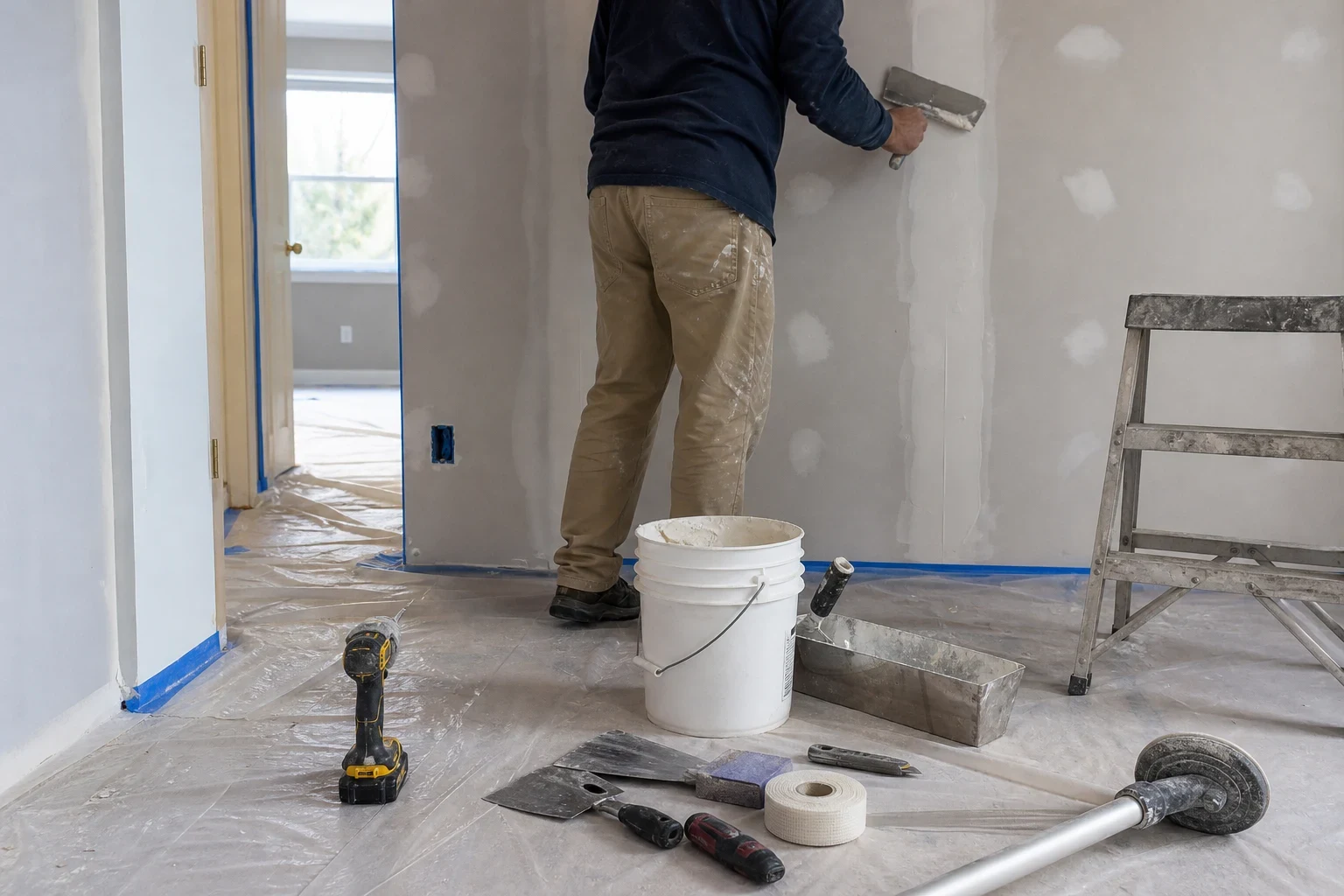
Fixing the wall you have whenever it makes sense
Most of the wall damage we see comes from ordinary living. A doorknob punches through, cracks angle off the corners of doors and windows, a dresser leaves a gouge on moving day, a tape seam starts to bulge, or a leak leaves a brown ring behind. This kind of damage usually stays in one spot. The wall around it is still solid, so tearing it out would add cost and disruption to your home without a good reason.
Our approach is repair first. If a section has gone soft from moisture, if old plaster has pulled away from the lath, or if patch has been piled on patch until it shows through every coat of paint, we will say so and explain why replacing that piece is the better value. You hear the reasoning before you decide.
Many homes around Westfield and towns like Cranford and Summit still have original plaster walls next to newer drywall additions. We work on both, and we match the repair to what is actually on your wall.
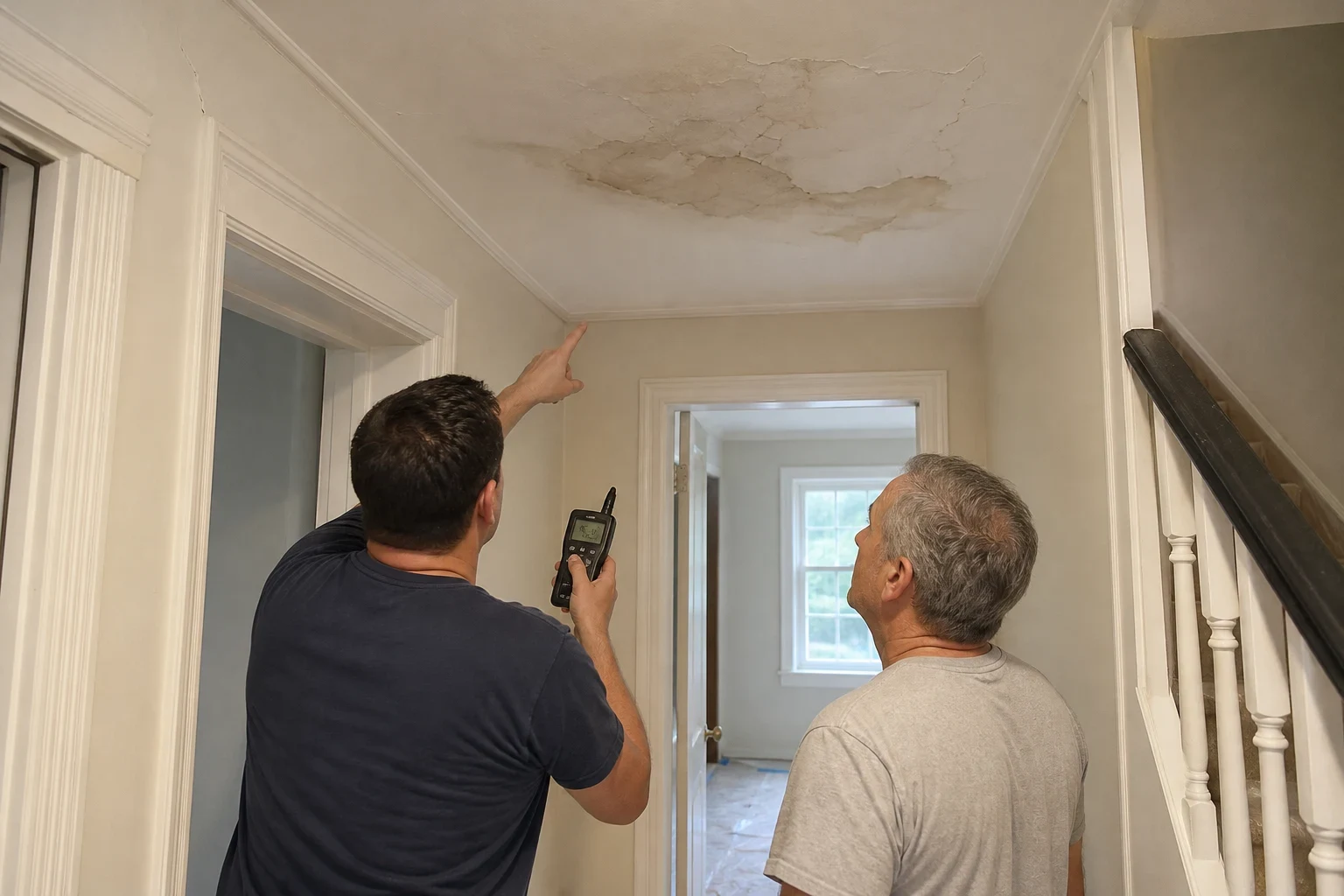
What our wall repair work includes
- 01
A close look at the damage
We check how far the damage spreads, press around it for soft or loose spots, and look for the cause, such as a door with no stop or a seam that keeps moving.
- 02
Crack repair that lasts
Hairline cracks that are only skimmed over tend to come back. We open the crack slightly, bridge it with mesh or paper tape, and build it up in thin coats so it has a chance to stay closed.
- 03
Holes, dents and gouges
Small dings get filled and feathered. Larger holes get a properly backed patch so the repair does not flex when someone leans on it.
- 04
Plaster wall repair
Loose plaster can often be reattached and skimmed instead of removed. Where a section has failed, we cut it back to solid material and fill it to the surrounding plane.
- 05
Texture matching and sanding
We match the existing finish, whether smooth or lightly textured, and sand the repair so it blends instead of standing out under side light.
- 06
Ready for paint
The repair is primed and left ready for paint. If you want the patched area blended into the existing color, we can handle that as a paint touch-up.
Questions about Wall Repair?
Call(908) 641-7101Signs your walls need repair
Cracks that keep coming back
A crack that reappears after it was painted over usually means the first fix only covered it. It needs to be taped and finished, not just filled again.
Diagonal cracks at doors and windows
Corners of openings are where walls move most. These cracks are common in older homes and are usually a finish problem we can repair.
Stains, bubbling or soft spots
Brown rings or paint that bubbles point to past moisture. Once the leak is fixed, we check whether the material is still firm or needs to be cut out.
Holes behind doors
A doorknob hole grows every time it gets hit. Repairing it early keeps it small, and adding a door stop keeps it from returning.
Peeling tape or bulging seams
Lifting tape usually means it was not bedded in enough compound. We remove the loose tape and re-tape the seam properly.
How a wall repair visit goes
- 1
A quick first call
Give us a rough picture of the damage, how large it is and which room it is in. A couple of questions from our side means we show up carrying the right tape, compound and patch material.
- 2
Inspection and a straight answer
We look at the wall in person and explain whether it should be repaired or a section replaced, along with why and what that means for your cost.
- 3
Protecting the room
Floors and nearby furniture get covered, and we keep the dust down while we cut, tape and sand.
- 4
Repair in stages
Each coat of compound has to dry fully before the next one goes on, so a bigger repair may be spread over two or more short visits. You will know the schedule before we start, so you can plan your days around it.
- 5
Final sanding and cleanup
We sand the area smooth, prime it, check it under strong light and clean up before we leave.
What affects the cost of wall repair
Most wall repairs are priced by how much work the damage takes, not by the size of the room. After we see the wall, we explain what is driving the number so you know exactly what you are paying for.
- How much damage there is
- A single doorknob hole takes little time. A run of cracks up a stairwell means more taping, more coats and more waiting for each one to dry.
- Drywall or plaster
- Plaster repairs often need extra steps, such as reattaching loose material or building up thicker coats to meet the old surface.
- Condition behind the surface
- Moisture-damaged board or crumbling plaster has to come out before a repair will hold, which adds material and labor.
- Texture and finish
- Smooth walls are simpler to blend. Matching an older texture takes more care and sometimes a few test passes.
- Access
- Tall stairwell walls and spots behind built-ins take longer to reach and protect than an open bedroom wall.
Wall repair questions
Can you repair plaster walls, or do they need to be replaced with drywall?
Many plaster walls can be repaired. Cracks and small loose areas are usually fixed by securing the plaster and skim coating over it. If large sections have separated from the lath, we will explain why replacing that area with drywall may make more sense.
Will the repair show once it is painted?
We aim for a wall where you cannot find the patch after paint goes on. The compound is feathered out well beyond the damaged spot, and we match the texture around it. High-gloss paint and low, raking light reveal almost any surface flaw, so if your wall has either, we will mention it before we begin.
Why does the crack in my wall keep coming back?
Usually it was filled with spackle or caulk, which does not hold up when the wall moves with seasonal changes in temperature and humidity. Taping across the crack and finishing it in thin coats gives it real strength. We will also point out if the crack looks like something beyond a finish problem.
How long does a wall repair take?
A small hole can be handled quickly, but most repairs need drying time between coats. A larger repair often means a couple of short visits. We give you the expected schedule when we look at the job.
Do I need to move furniture out of the room?
Clearing a few feet in front of the wall helps. We cover floors and anything nearby, and we clean up the work area when we finish.
Find out if your wall can be repaired
Tell us what happened to the wall and we will share what we think it needs. If a repair will do the job, that is what we will recommend.